Filter op categorie:
Blog Posts
Eloquent Model Events: Observers and When to Walk Away
28 Aug 2026 | Peter Cornelis
Eloquent model events make it easy to run logic when a model is created, updated, or deleted. But while observers and model events can keep code clean, they can also hide important behavior and introduce unexpected side effects. In this post, we'll explore Eloquent model events, observers, change detection, and when it might be better to walk away.
Getting familiar with Polymorphic Relationships
21 Aug 2026 | Peter Cornelis
IntroductionImagine you want to store images for users, products, posts, etc. In such cases, a polymorphic relationship can be useful. It allows a mod...
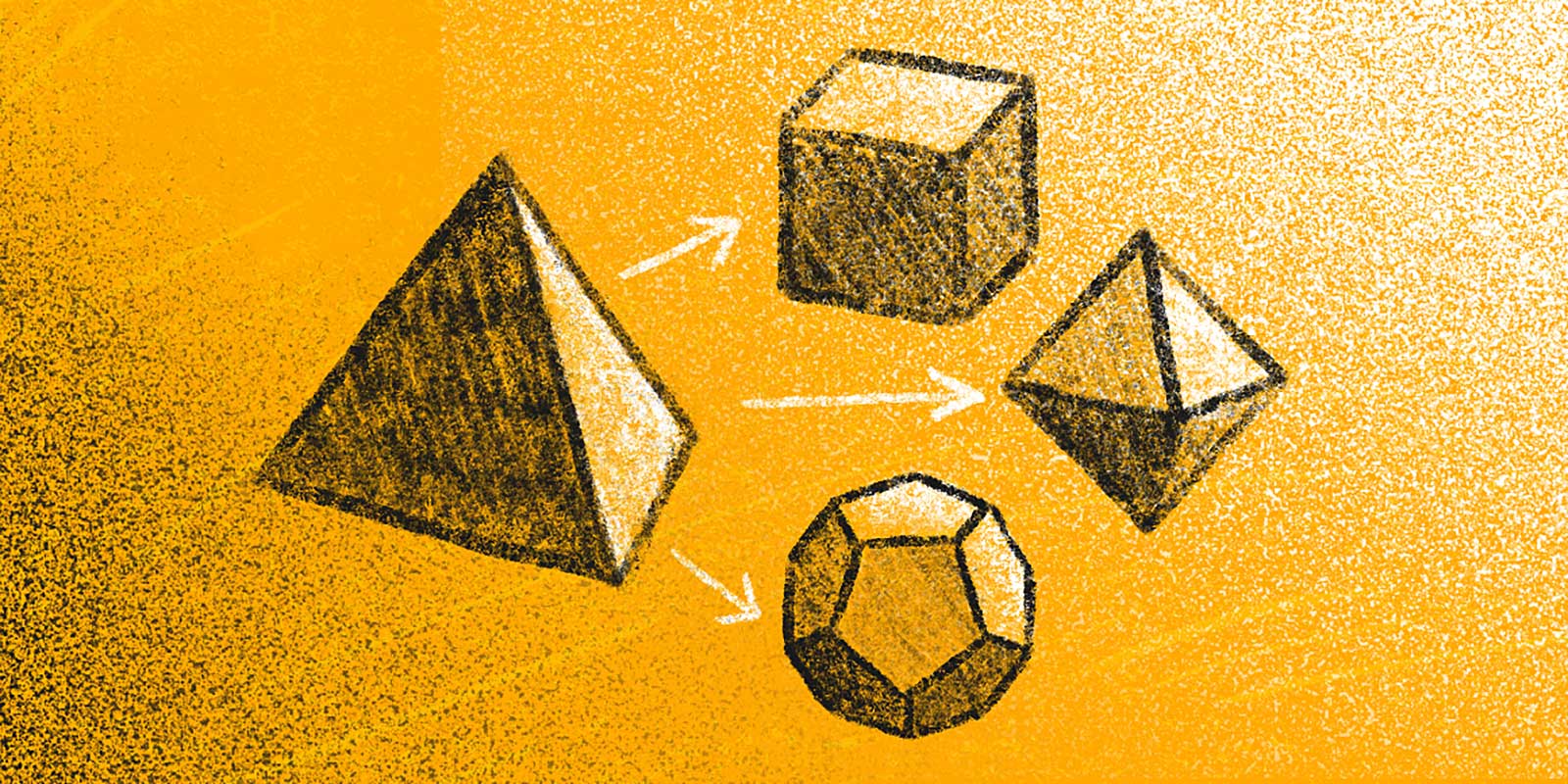
The Art of Morph Relationships in Laravel: A Beginner-Friendly Introduction
07 Aug 2026 | Basile Aelterman
Have you ever found yourself trying to manage multiple relationships between different models in your Laravel application? If so, you're in for a treat! Today we'll explore the concept of morph relationships in Laravel–a neat feature that introduces polymorphism to your database design, making your application more robust and elegant.
Laravel Basics: Routes, Controllers and Views
24 Jul 2026 | Basile Aelterman
Every request that hits a Laravel app follows the same journey: a route decides where it should go, a controller handles the request and decides what should happen, and a view decides what the end user actually sees. In this blogpost we'll break down that whole journey — from everything you can do with routes, what belongs in a controller, what exactly a view is and how blade components keep your templates from turning into a pile of spaghetti code.